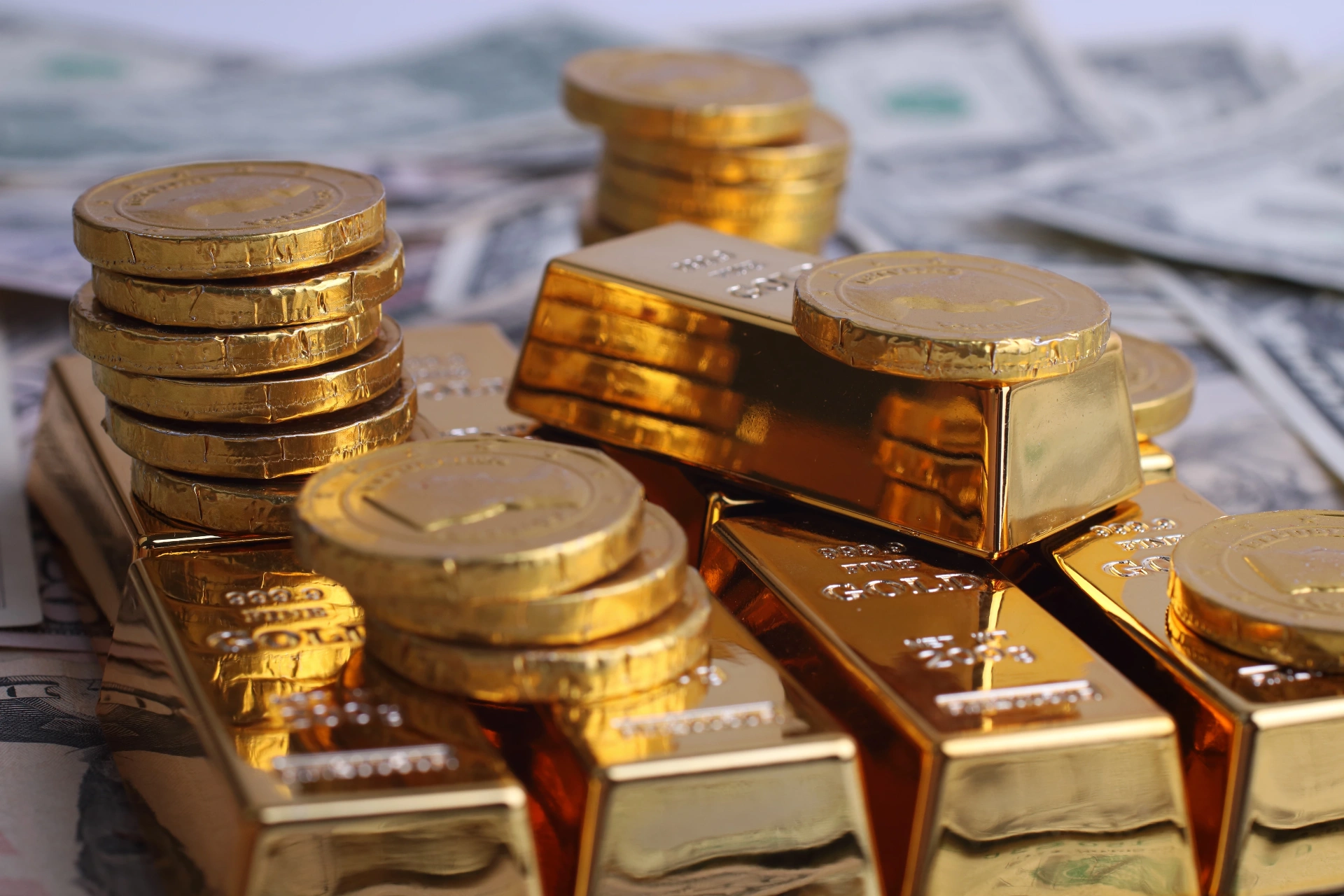
One of the most common questions we hear at Honolulu Coin Buyers is: "Should I sell my gold jewelry or my gold coins first?" The answer depends on what you have, but understanding the pricing difference can mean hundreds, or thousands, of extra dollars in your pocket.
Gold is gold, right? Not exactly. The form your gold takes dramatically affects what a buyer will pay for it. Let's break down why.
The Melt Value Baseline
Every gold item starts with the same foundation: melt value. This is the pure gold content multiplied by today's spot price. A 14K gold chain weighing 30 grams contains 17.49 grams of pure gold (58.3%). At $5,100/oz spot, that's roughly $2,873 in gold content.
A one-ounce American Gold Eagle coin contains exactly one troy ounce of pure gold. At $5,100/oz spot, that's $5,100 in gold content. Simple math so far.
But here's where it gets interesting: the coin will almost always sell for more than $5,100, while the chain will almost always sell for less than $2,873.
Why Coins Command Premiums
Gold coins carry premiums above melt value for several reasons:
- Liquidity. American Gold Eagles, Canadian Maple Leafs, and Krugerrands are recognized worldwide. Any dealer anywhere will buy them instantly. That liquidity has value.
- Guaranteed weight and purity. Government-minted coins come with a built-in guarantee. No testing required. That saves the buyer time and risk.
- Collector demand. Pre-1933 U.S. gold coins like Saint-Gaudens Double Eagles and Liberty Head coins carry numismatic premiums based on date, mint mark, and condition. A common-date Double Eagle might bring $200–400 over spot. A rare date can bring $5,000–$50,000+ over spot.
- No refining needed. Coins can be resold as-is. Jewelry typically needs to be melted and refined, which costs money and time.
Why Jewelry Sells Below Melt
Gold jewelry faces a discount for the opposite reasons:
- Refining costs. Most jewelry buyers send gold to a refiner. The refiner charges 2–5% of the gold value. That cost gets passed to you.
- Mixed alloys. Jewelry contains other metals (copper, silver, nickel, zinc). Separating the gold costs money.
- Testing uncertainty. Not all stamps are accurate. Some 14K pieces test at 12K or 13K. Buyers factor in that risk.
- No secondary market as-is. Unlike coins, most used jewelry doesn't have a ready resale market at retail prices (unless it's from a recognized designer like Tiffany, Cartier, or David Yurman).
The result: most gold jewelry sells at 75–90% of melt value. At a pawn shop, expect 40–60%. The gap between those numbers is where choosing the right buyer matters enormously.
When Jewelry Beats Coins
There are exceptions where gold jewelry is worth more than its melt value:
- Signed designer pieces. A Cartier Love bracelet in 18K gold has a resale value well above its gold weight. Same for Tiffany, Van Cleef & Arpels, and Bulgari pieces.
- Antique and estate jewelry. Victorian, Art Deco, and mid-century pieces can carry collector premiums. A well-made Art Deco ring from the 1920s might be worth 2–3x its gold content to the right buyer.
- Hawaiian heirloom jewelry. Here in Honolulu, Hawaiian heirloom bracelets and pendants with black enamel lettering carry cultural and collector value beyond their gold weight. We see these frequently and always evaluate them for premiums above melt.
- High-karat pieces in good condition. A 22K or 24K bracelet that's wearable may sell for more to a jewelry buyer than to a refiner.
What This Means for Honolulu Sellers
If you have both gold coins and gold jewelry to sell, here's the practical takeaway:
- Sell coins to a coin dealer who pays collector premiums, not a pawn shop that treats them as bullion.
- Sell jewelry to a buyer who tests purity on-site and pays based on actual gold content, not one who guesses the karat and rounds down.
- If you have Hawaiian heirloom jewelry or designer pieces, make sure the buyer evaluates them for collector or brand premiums, not just melt.
At Honolulu Coin Buyers, we evaluate both coins and jewelry separately and price each based on its highest value, whether that's melt, numismatic, or collector. Call 808-215-4048 or request a free appraisal.